Pourquoi les tests indépendants sont importants dans les filtres d'habitacle à charbon actif
Publié en mai 2026
En matière de filtration de l'air de cabine lors des opérations de pulvérisation, tous les filtres à charbon actif ne sont pas performants de la même manière.
De nombreux opérateurs présument que si un filtre contient du charbon actif, il offre automatiquement une protection efficace contre les vapeurs chimiques. Cependant, les performances réelles dépendent de plusieurs facteurs importants, notamment le type de carbone, la teneur en humidité, le débit d'air, la conception du filtre et les normes de test.
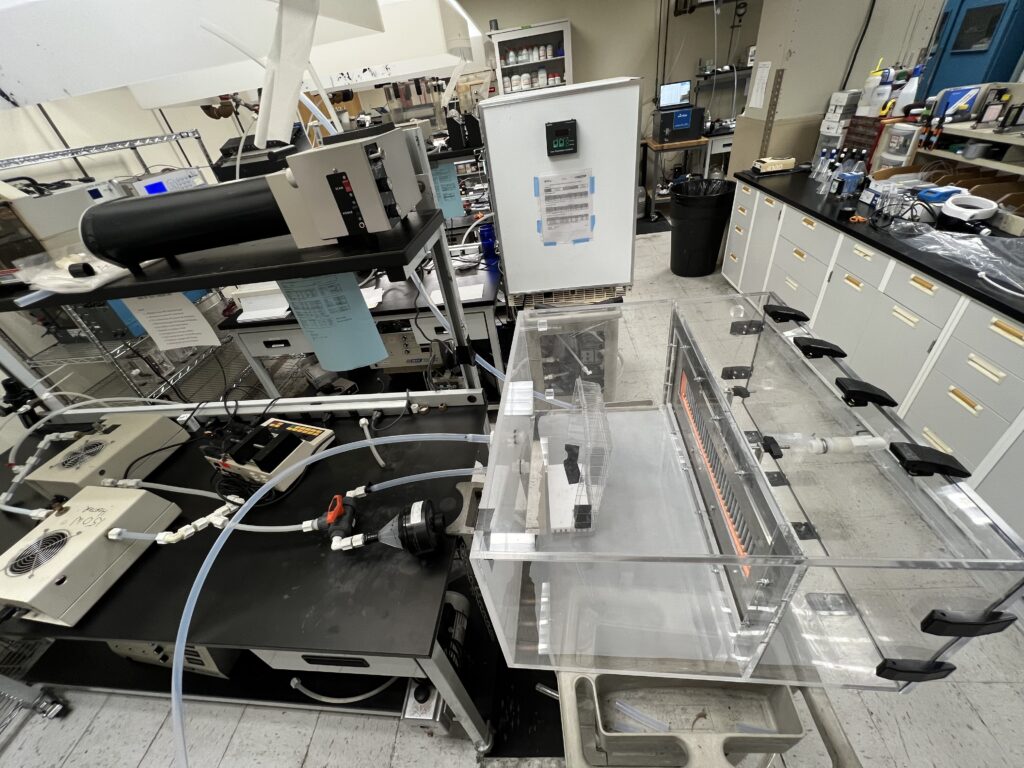
Afin de mieux comprendre le fonctionnement des filtres à charbon actif dans des conditions difficiles, Purecab a publié les derniers résultats d'essais indépendants réalisés par Assay Technologies aux États-Unis et par S-Test en Turquie, en Europe.
Les essais ont permis de comparer des filtres Purecab équipés de charbon actif ADXORB® à des filtres d'origine, dans des conditions de laboratoire contrôlées, conformément à la norme américaine ASABE S613-3 et à la norme EN 15695:2.
De manière importante, les tests ont été effectués dans ce que l'on pourrait considérer comme un scénario “catastrophe” :
- Humidité élevée (80%)
- Débits d'air élevés (42m³/h)
- Conditions d'exposition chimique intense
Ces conditions ont été intentionnellement sélectionnées pour solliciter davantage les filtres que ce qui serait normalement rencontré dans une cabine de tracteur en fonctionnement normal.
Testé indépendamment selon les normes européennes et américaines
Les tests se sont concentrés spécifiquement sur les performances d'adsorption chimique plutôt que sur la capture de poussières.
Cette distinction est importante car si les filtres à poussière peuvent capturer les particules, le charbon actif est nécessaire pour adsorber les vapeurs chimiques générées lors des opérations de pulvérisation.
Lors des essais, les filtres Purecab ont une nouvelle fois satisfait aux normes EN 15695:2 et ASABE S613-3 (États-Unis), leurs performances en matière d'adsorption chimique dépassant les exigences relatives à la durée de vie effective recommandée.
La percée a été mesurée après plus de 20 minutes dans des conditions d'exposition chimique intenses, démontrant une forte capacité d'adsorption même dans des conditions d'humidité et de flux d'air élevées.
Les résultats appuient en outre les conclusions antérieures de travaux de collaboration antérieurs impliquant l'Université d'Adélaïde et une reconnaissance accrue de l'industrie internationale, notamment des références provenant des ressources de protection respiratoire de l'Université du Michigan.
Comment l'humidité affecte les filtres à charbon actif
L'un des principaux constats renforcés par les tests a été l'impact que l'humidité peut avoir sur les performances du charbon actif.
Le charbon actif absorbe naturellement l'humidité de son environnement. Si le charbon est saturé d'humidité pendant le stockage ou le transport, sa capacité d'adsorption chimique peut être réduite avant même que le filtre ne soit installé.
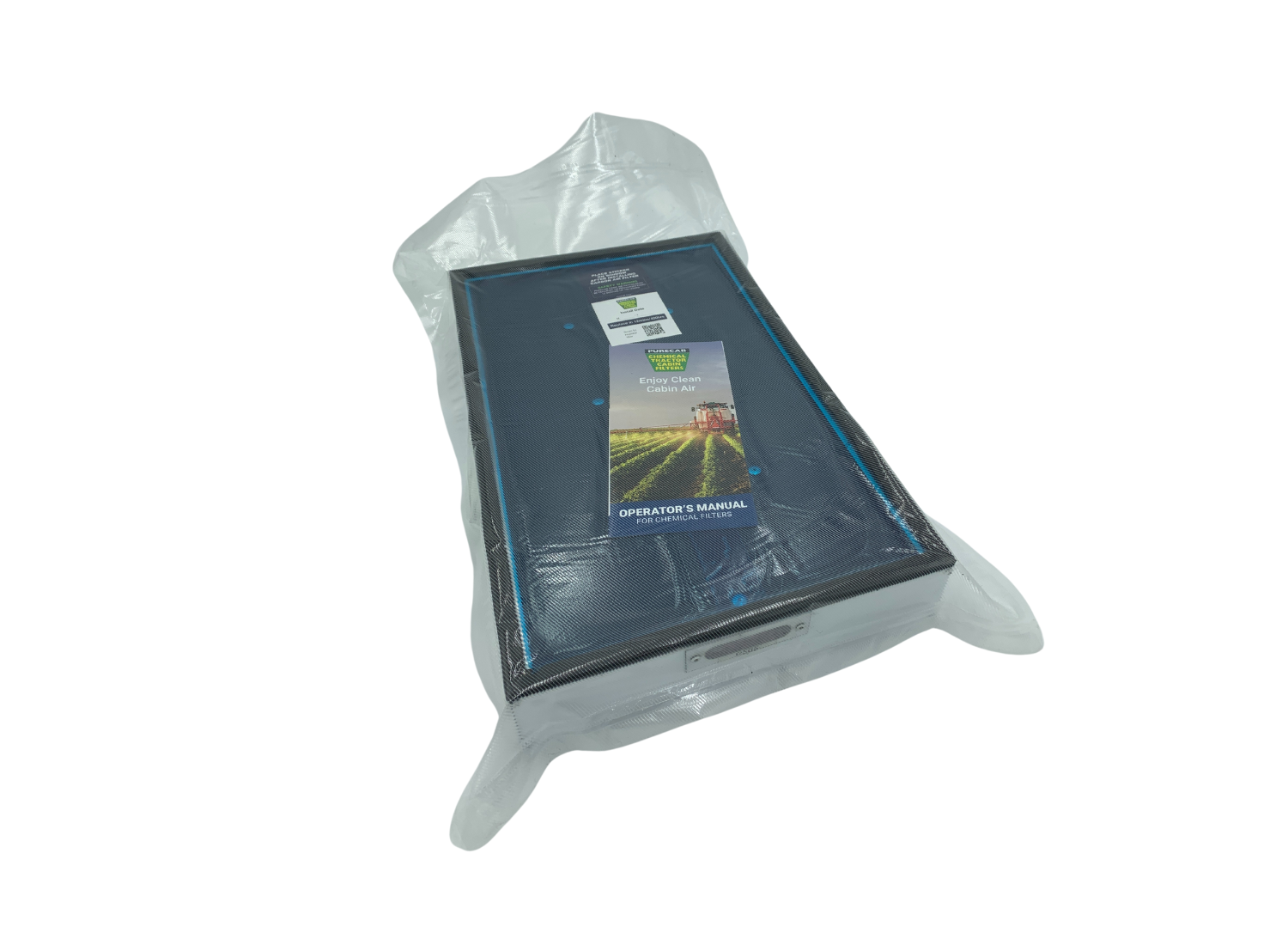
C'est l'une des raisons pour lesquelles un stockage et un conditionnement adéquats sont essentiels. Les filtres Purecab sont scellés sous vide afin de protéger le charbon actif de l'humidité pendant le stockage et le transport. Le fait de maintenir le charbon au sec permet d'optimiser les performances d'adsorption chimique et de prolonger à la fois la durée de conservation et la durée de vie utile du produit.
Si les filtres à charbon actif ne sont pas stockés dans un emballage hermétique, ils peuvent absorber l'humidité au fil du temps, ce qui peut réduire leur durée de vie effective une fois installés.
Le type et le volume de carbone font une différence
Les tests ont également renforcé un autre point important : tous les filtres à charbon actif ne sont pas identiques.
La performance d'un filtre à charbon actif dépend fortement de :
- Type de carbone
- Processus d'activation
- Volume de carbone
- Conception de flux d'air
- Conditions environnementales
Un plus grand volume de carbone offre généralement une plus grande capacité d'adsorption chimique car il augmente la surface disponible.
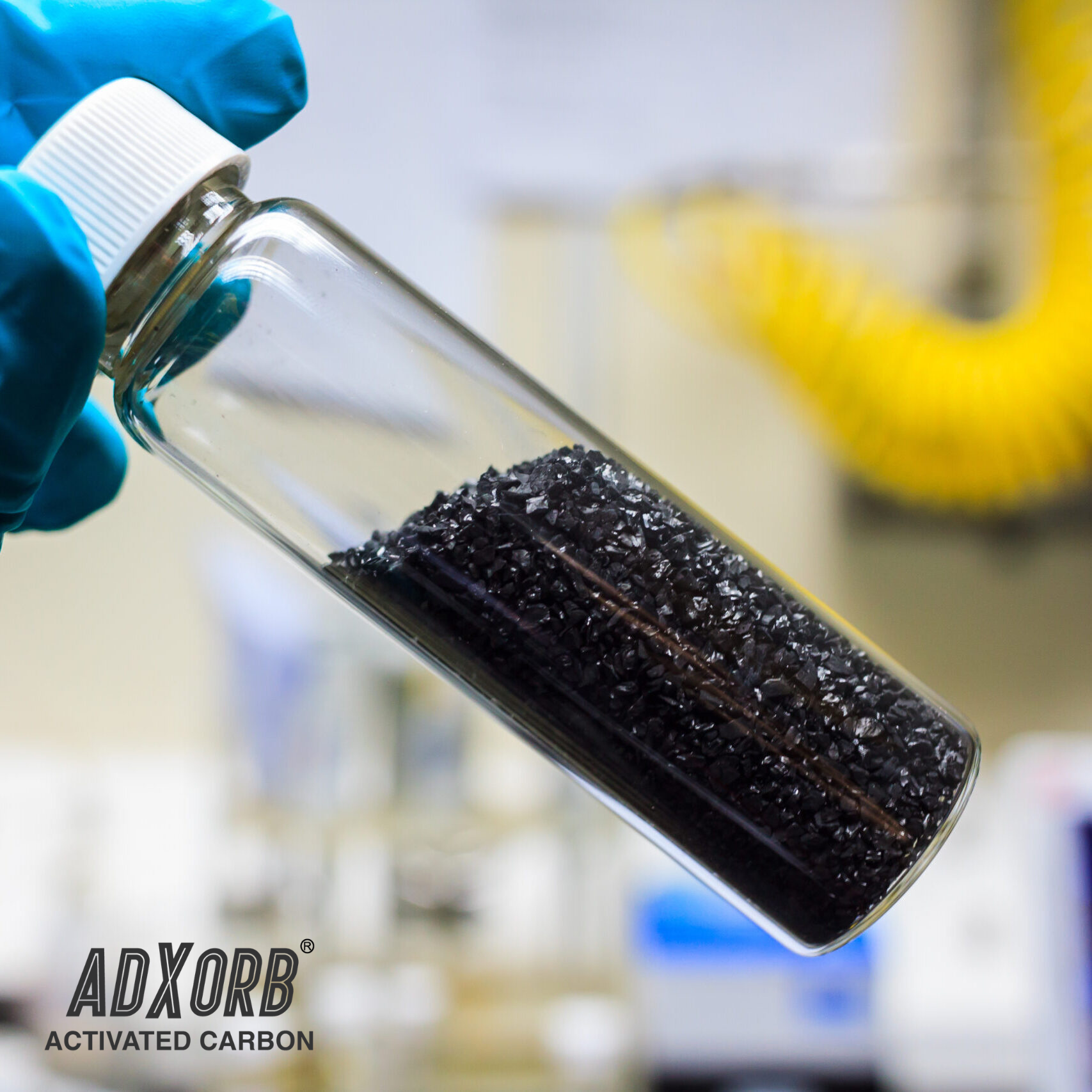
“ Le charbon actif granulé, tel que celui utilisé dans les filtres Purecab équipés de la technologie ADXORB®, permet d'atteindre une charge de charbon plus élevée que les modèles utilisant des granulés ou des médias imprégnés de charbon. ”.
Cela devient particulièrement important dans les applications à fort débit d'air où les filtres plus petits peuvent avoir une capacité d'adsorption réduite en raison de la vitesse de l'air plus rapide traversant le filtre.
Dans certains systèmes de cabine de tracteur, c'est pourquoi les fabricants peuvent exiger plusieurs filtres de cabine pour atteindre les niveaux de débit d'air et de protection requis.
Les conditions environnementales peuvent influencer la durée de vie des filtres
Les essais ont également mis en évidence comment les conditions environnementales peuvent affecter les performances des filtres à charbon actif.
Les facteurs suivants peuvent influencer la durée de vie de l'adsorption :
- Humidité
- Température
- Débit d'air
- Concentration chimique
- Composition chimique
Les essais ont utilisé de l'acétate d'éthyle pour reproduire un scénario de pulvérisation réaliste. Cependant, différents produits chimiques peuvent réagir différemment en fonction de la formulation du charbon actif utilisée.
Pour des applications spécialisées, différents types de charbon actif peuvent être requis en fonction du contaminant ciblé, y compris pour les applications impliquant :
- Ammoniac anhydre (NH₃)
- Sulfure d'hydrogène (H₂S)
- Dioxyde de soufre (SO₂)
- Oxydes d'azote (NOX)
- Compost et environnements de déchets
- Bitume et odeurs industrielles
Conçu pour la Protection & la Réutilisabilité
En plus des performances de filtration, les filtres à charbon actif réutilisables peuvent également contribuer à réduire les déchets par rapport aux alternatives jetables uniquement.
Les filtres Purecab peuvent être remis à neuf via les services Recharge Kit ou Express Recharge, ce qui permet aux opérateurs de maintenir des performances de filtration conformes tout en prolongeant la durée de vie du produit.
Combinée à un stockage approprié, à un entretien correct et à une surveillance régulière, la filtration au charbon actif reste l'un des composants les plus importants pour aider à réduire l'exposition chimique à l'intérieur des cabines de tracteurs pendant les opérations de pulvérisation.
L'importance de la validation indépendante
Chez Purecab, les tests indépendants jouent un rôle essentiel dans le développement continu des produits et la validation de leurs performances.
Les tests de laboratoire réels dans des conditions contrôlées aident à vérifier la performance des filtres dans des environnements exigeants, et pas seulement dans des conditions idéales.
Alors que les pratiques de pulvérisation, les machines et les attentes des opérateurs continuent d'évoluer, les tests indépendants demeurent essentiels pour aider à améliorer la technologie de filtration de l'air de la cabine et la protection des opérateurs.